
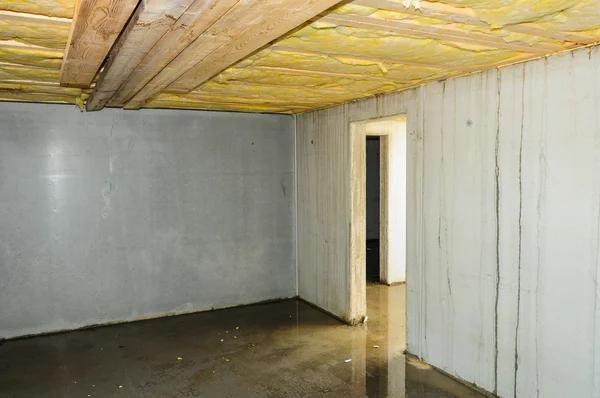
When it comes to maintaining a healthy and durable home environment, choosing the right crawl space vapor barriers is essential for long-term protection. Crawl spaces are prone to moisture accumulation, which can lead to mold growth, wood rot, and structural damage if not properly managed. Vapor barriers act as a crucial defense mechanism by preventing ground moisture from seeping into the crawl space and ultimately the living areas above. Selecting the appropriate vapor barrier involves understanding the materials available, installation techniques, and the specific conditions of your crawl space.
One of the primary considerations when selecting a crawl space vapor barrier is the material’s permeability and thickness. Polyethylene plastic sheeting is the most common choice due to its effectiveness and affordability. Typically, a 6-mil thickness is the minimum recommended, but for enhanced durability and puncture resistance, a 10-mil or thicker barrier is often preferred. Thicker barriers provide better resistance against tears or damage during installation and long-term use, which is critical for maintaining a moisture-proof environment.
crawl space vapor barriers in Wilmington
In addition to polyethylene, there are vapor barriers made from reinforced materials, such as woven or laminated fabrics combined with polyethylene, which offer superior strength and longevity. These reinforced barriers are especially beneficial Wilmington NC foundation repair services in crawl spaces with uneven or rocky ground where puncture risks are higher. Choosing a vapor barrier with UV resistance can also be advantageous if the crawl space is exposed to sunlight during installation or maintenance.
Proper installation is just as important as the material itself. The vapor barrier should cover the entire ground surface of the crawl space, extending up the walls to at least the foundation’s top. Sealing all seams and edges with compatible tape or adhesive ensures a continuous moisture barrier, preventing any leaks or gaps. Additionally, securing the vapor barrier firmly to the walls and around any obstacles minimizes movement and damage over time. Hiring experienced professionals or thoroughly researching best practices can ensure the installation is done correctly.
Another factor to consider is the local climate and soil conditions. In humid or wet regions, a high-quality vapor barrier is indispensable to combat persistent moisture issues. Conversely, in drier climates, while moisture control remains important, the barrier’s thickness and reinforcement might be adjusted accordingly. Consulting with local experts or building codes can provide guidance tailored to your geographic area.
Long-term protection also involves periodic inspections and maintenance of the vapor barrier. Checking for tears, punctures, or areas where moisture might be penetrating allows for timely repairs, preserving the barrier’s effectiveness. Combining vapor barriers with proper crawl space ventilation and drainage systems further enhances the overall moisture control strategy.
In conclusion, selecting the right crawl space vapor barrier is a pivotal step in safeguarding your home from moisture-related damage. Opting for high-quality, durable materials, ensuring meticulous installation, and considering local environmental factors will provide lasting protection. This investment not only maintains the structural integrity of your home but also contributes to a healthier living environment free from mold and excess humidity.
Impact Crawlspace
Pink Hill, NC, 28572
2525607776