
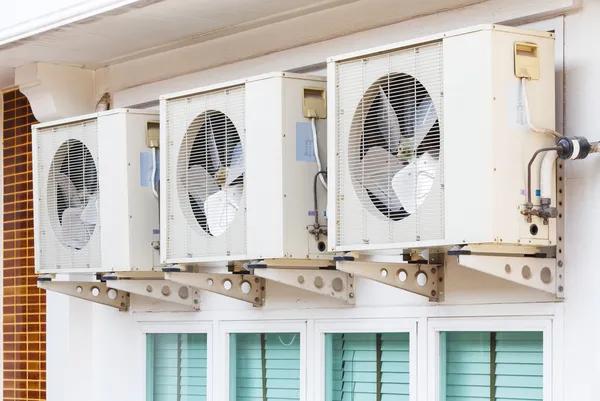
When selecting a window air conditioner, certain features significantly impact comfort, efficiency, and overall satisfaction. Understanding these key aspects helps consumers make informed decisions that align with their cooling needs and budget. One of the most important features is cooling capacity, measured in British Thermal Units (BTUs). Choosing an appropriately sized unit ensures effective temperature control without excessive energy consumption. A model too small struggles to cool a room adequately, while an oversized unit cycles on and off frequently, wasting electricity and reducing lifespan.
Energy efficiency is another critical factor. Look for units with Energy Star certification or high Seasonal Energy Efficiency Ratio (SEER) ratings to reduce electricity bills while minimizing environmental impact. Modern window air conditioners often include eco-friendly refrigerants that comply with current regulations, contributing to greener operation. Additionally, adjustable thermostat controls allow users to maintain precise temperatures rather than relying on simple on/off mechanisms. This feature enhances comfort by preventing wide temperature swings.
Noise level plays a significant role in user experience since window units operate within living spaces or bedrooms. Models designed with sound-reducing technology provide quieter performance, which is especially valuable during nighttime use or in noise-sensitive environments. Some manufacturers specify decibel ratings; lower values indicate quieter operation.
Ease of installation and maintenance also matters considerably when choosing a Window Air Conditioner. Units that come with detailed instructions and mounting kits simplify setup for homeowners who prefer DIY solutions over professional help. Removable filters are essential for quick cleaning to maintain airflow quality and system efficiency without hassle.
Additional conveniences such as remote controls offer greater flexibility in adjusting settings from across the room without manually interacting with the device itself. Programmable timers enable users to schedule operating hours based on daily routines or occupancy patterns, optimizing both comfort and energy savings.
Some models incorporate smart technology compatibility allowing integration with home automation systems or smartphone apps for remote monitoring and control-features increasingly popular among tech-savvy consumers seeking enhanced convenience.
In summary, focusing on appropriate cooling capacity, energy efficiency, noise level reduction, ease of installation and maintenance alongside modern usability options like remote control functionality leads to more satisfying purchases of window air conditioners tailored to individual preferences and living conditions. Prioritizing these elements ensures reliable performance year after year while balancing cost-effectiveness with user comfort effectively.