
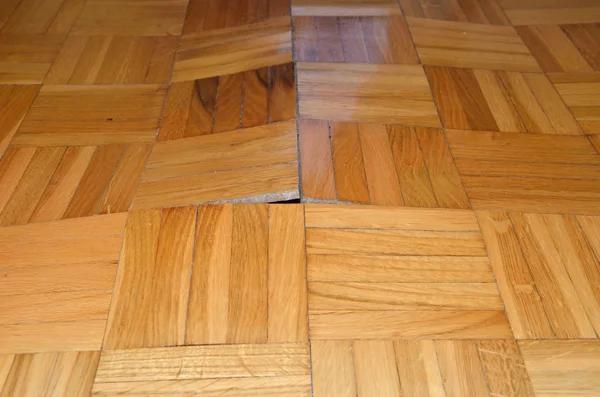
Water damage in a home or business can be a devastating event, often leading to significant structural issues and health hazards if not addressed promptly. When water infiltrates a building, it doesn’t just affect the surface; it can penetrate deep within walls, floors, and ceilings, leading to long-term damage that might not be immediately visible. Immediate restoration and repair are crucial for several compelling reasons.
Firstly, acting quickly minimizes the extent of the damage. Water can weaken structural components such as beams and drywall within hours. The longer water sits unattended, the more severe the deterioration becomes. This could lead to costly repairs or even complete replacements of affected areas if left unchecked click here for more too long. By addressing water damage immediately, property owners can preserve their buildings’ integrity and avoid extensive reconstruction efforts.
Moreover, immediate action helps prevent mold growth—a common consequence of untreated water damage. Mold thrives in damp environments and can begin growing within 24 to 48 hours after exposure to moisture. Once established, mold is difficult to eradicate completely and poses serious health risks including respiratory problems and allergic reactions for those exposed over time. Quick restoration efforts ensure that moisture levels are controlled before mold has an opportunity to develop.
Another critical reason for swift intervention is the prevention of electrical hazards. Water intrusion increases the risk of electrical malfunctions which could lead to dangerous situations such as fires or electric shocks when systems become compromised due to moisture exposure. Ensuring that all electrical components are thoroughly inspected and repaired by professionals during restoration mitigates these risks significantly.
Additionally, fast response times help salvage personal belongings that may have been affected by water exposure. Furniture, electronics, clothing—these items often hold sentimental value beyond their monetary worth; hence salvaging them is important for emotional well-being as much as financial preservation.
Insurance considerations also play a role in why immediate action is necessary following water damage incidents. Many insurance policies require prompt reporting of damages for claims processing; delays might result in reduced claim amounts or outright denial depending on policy terms.
Finally, timely restoration contributes positively towards environmental sustainability by reducing waste generated from damaged materials needing disposal when they become unsalvageable after prolonged exposure.
In conclusion, addressing water damage without delay safeguards both property infrastructure and occupant health while ensuring compliance with insurance requirements—all contributing factors towards maintaining safety standards efficiently while minimizing costs associated with potential future complications arising from neglected repairs.