
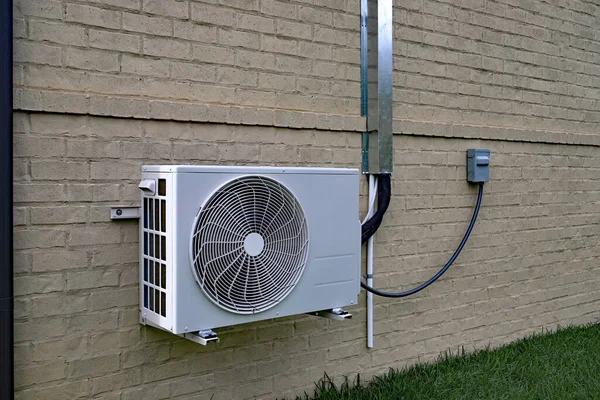
Understanding the energy ratings of mini split air conditioning systems is essential for making informed decisions about purchasing and operating these units efficiently. Mini split ACs are popular for their flexibility, ease of installation, and ability to cool or heat specific zones without ductwork. However, their performance and cost-effectiveness largely depend on how energy-efficient they are, which is where energy ratings come into play.
Energy ratings provide a standardized way to measure and compare the efficiency of different mini split models. The most common rating used in many regions is the Seasonal Energy Efficiency Ratio (SEER), which indicates how much cooling output a unit produces per unit of electricity consumed over an entire cooling season. A higher SEER value means better energy efficiency and lower operating costs. For heating performance, especially in heat pump models, the Heating Seasonal Performance Factor (HSPF) measures heating efficiency during colder months.
In addition to SEER and HSPF, some mini splits may also have an Energy Efficiency Ratio (EER), which represents efficiency under specific conditions rather than over a whole season. While SEER accounts for varying temperatures throughout use periods, EER focuses on peak performance at set outdoor temperatures. This distinction helps consumers understand not only seasonal averages but also maximum potential efficiency.
When evaluating these ratings, it’s important to consider local climate conditions because they influence actual system performance significantly. A model with a high SEER rating might be more beneficial in warmer climates where air conditioning demand is continuous or intense throughout summer months. Conversely, units with strong HSPF values become more valuable in regions requiring extended heating during winter.
Besides numerical ratings, certifications such as ENERGY STAR can help identify products that meet strict government standards for energy savings without sacrificing comfort or reliability. Products bearing this label typically consume less power than standard models while providing comparable cooling or heating capacity.
Investing in a Mini Split AC with favorable energy ratings offers several advantages beyond reducing utility bills. It contributes positively to environmental sustainability by lowering greenhouse gas emissions associated with electricity generation from fossil fuels. Moreover, efficient systems often feature advanced technologies like inverter-driven compressors that adjust speed dynamically based on demand rather than running at full power constantly-this reduces wear and extends equipment lifespan.
Consumers should also pay attention to proper sizing when selecting a mini split system since oversized or undersized units can lead to inefficient operation regardless of rated efficiencies. Professional assessment ensures that the chosen model matches space requirements accurately for optimal comfort and economy.
In summary, understanding mini split AC energy ratings involves recognizing key metrics such as SEER, HSPF, and EER alongside certifications like ENERGY STAR while considering regional climate factors and appropriate unit sizing. This knowledge empowers buyers to select highly efficient systems that deliver reliable temperature control with minimal environmental impact and operational expense over time.