
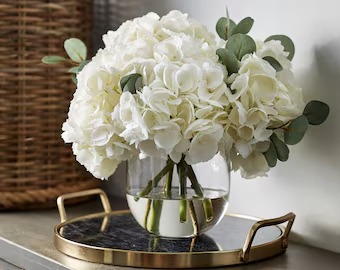
When Olivia Carter opened her tiny home décor shop in the spring of 2019, she had exactly three shelves of inventory, one folding checkout table, and a business plan that fit on a single notebook page.
Her store sat quietly on a narrow side street between a bakery and an old bookstore. Most customers walked past without noticing it. On good days, she made enough sales to pay rent. On bad days, she wondered if the business would survive another month.
At the time, Olivia believed fresh flowers would become the heart of her boutique.
Instead, they nearly destroyed it.
The Problem No One Warned Her About
Fresh flowers looked beautiful in the shop — for about two days.
After that came the problems:
- wilting petals
- refrigeration costs
- wasted inventory
- delivery timing issues
- constant replacements
Sometimes customers arrived after seeing floral displays on social media, only to discover the arrangements already looked tired in person.
The losses slowly added up.
“It felt like I was throwing money into the trash every week,” Olivia later explained during a small business interview. “Half my inventory had an expiration date.”
She tried changing suppliers. She reduced order sizes. She experimented with seasonal bouquets.
Nothing fixed the real issue:
fresh flowers were difficult to scale for a small retailer with limited cash flow.
Then something unexpected happened.
A Single Wholesale Catalog Changed Everything
One evening, while searching online for display materials, Olivia came across a wholesale artificial flower supplier.
At first, she ignored it.
Like many people, she associated artificial flowers with dusty plastic roses from decades ago. Cheap. Unrealistic. Outdated.
But one product image caught her attention.
A white peony arrangement.
The petals looked soft. The stems appeared natural. Even the shadows in the photographs resembled real blooms.
She ordered a small sample shipment.
When the box arrived, Olivia spent nearly ten minutes silently inspecting the flowers under sunlight near the store window.
They looked real.
Not “good for fake flowers.”
Actually real.
Customers Started Noticing Immediately
At first, Olivia mixed the artificial flowers into the store alongside live plants and fresh arrangements.
Nobody noticed the difference.
One customer even leaned forward to smell them.
That moment completely changed Olivia’s perspective on the industry.
Within weeks, she began testing:
- faux hydrangeas
- artificial eucalyptus
- silk roses
- hanging greenery
- seasonal arrangements
The results surprised her.
Customers loved them for reasons she had never considered before.
Young professionals wanted home décor without maintenance.
Busy parents liked that the flowers lasted year-round.
Airbnb hosts wanted attractive photography backgrounds.
Restaurant owners needed long-term table arrangements.
Wedding planners wanted reusable floral installations.
Artificial flowers solved problems fresh flowers could not.
The Profit Margins Were Completely Different
The financial difference became impossible to ignore.
Fresh flowers created recurring costs:
- refrigeration
- spoilage
- rush shipping
- short selling windows
Artificial flowers stayed sellable for months.
Some arrangements displayed in-store for nearly an entire year before selling at full price.
Olivia realized something important:
she was no longer running a flower shop.
She was building a scalable décor business.
The margins improved dramatically.
Instead of constantly replacing dead inventory, she reinvested profits into:
- larger wholesale orders
- better product photography
- social media advertising
- e-commerce development
Within a year, online sales began outperforming physical store traffic.
Social Media Accelerated the Growth
In 2021, Olivia posted a short video showing a customer touching an artificial orchid arrangement because they believed it was real.
The video unexpectedly went viral.
Millions of viewers suddenly discovered what modern artificial flowers looked like.
Comments flooded in:
“Wait… these are fake?”
“Where can I buy these?”
“I need this for my apartment.”
“This would be perfect for my wedding.”
Olivia quickly realized social media had changed the artificial flower industry forever.
Platforms like:
- TikTok
were perfect for visually driven products.
Beautiful floral arrangements naturally attracted attention.
Soon, influencers, interior designers, and event planners began contacting the business directly.
The boutique that once struggled to survive started shipping nationwide.
Wholesale Relationships Became the Foundation
As demand increased, Olivia learned another important lesson:
finding the right artificial flower wholesale supplier mattered just as much as marketing.
Some suppliers delivered inconsistent quality.
Others had unreliable shipping times.
A few sent products that looked nothing like the catalog photos.
Eventually, she narrowed her partnerships to several trusted wholesalers specializing in premium artificial flowers.
The best suppliers offered:
- realistic textures
- stronger packaging
- faster communication
- customization options
- stable inventory
- trend forecasting
These relationships allowed Olivia’s company to grow confidently without constantly worrying about product issues.
By 2023, the business had evolved far beyond its original boutique roots.
Weddings Became a Massive Opportunity
The real turning point came when the company entered the wedding market.
One bride contacted Olivia after discovering her floral designs online. She needed arrangements for a destination wedding during peak summer heat.
Fresh flowers were too risky.
Artificial flowers became the perfect solution.
Soon, wedding orders exploded.
Brides wanted:
- keepsake bouquets
- flower walls
- ceremony arches
- reusable centerpieces
- custom floral colors
Unlike fresh flowers, artificial wedding arrangements could be prepared weeks in advance without stress.
The company began offering full wedding floral packages nationwide.
Profit margins increased again.
From Boutique to Warehouse Operation
By 2025, Olivia’s business no longer resembled the small shop she started years earlier.
The company now operated:
- a national e-commerce website
- multiple warehouse spaces
- commercial fulfillment systems
- wholesale partnerships overseas
Her team expanded from one person to over twenty employees.
Ironically, many new customers still assumed the flowers were real when seeing them online for the first time.
The artificial flower industry itself had evolved dramatically.
Consumers no longer viewed faux flowers as cheap alternatives.
Instead, they saw them as:
- long-lasting décor
- luxury interior styling
- sustainable decoration
- practical event solutions
The market perception had changed completely.
What Other Retailers Can Learn
Olivia’s story reflects a much larger shift happening across the home décor and floral industry.
Artificial flower wholesale is no longer a low-end market competing only on price.
Today’s successful retailers focus on:
- realism
- branding
- presentation
- lifestyle marketing
- customization
- visual storytelling
Many small businesses are discovering that artificial flowers offer advantages traditional floral inventory cannot match:
- lower waste
- easier shipping
- higher scalability
- longer shelf life
- stronger online sales potential
For modern retailers, the opportunity extends far beyond flowers themselves.
Artificial floral products now intersect with:
- weddings
- hospitality
- luxury interiors
- content creation
- event design
- commercial styling
Businesses that understand this shift early are positioning themselves ahead of competitors.
The Industry Is Still Growing
Despite the industry’s rapid growth, experts believe the artificial flower wholesale market is still expanding.
New manufacturing technology continues improving:
- realism
- materials
- textures
- color accuracy
- UV resistance
At the same time, consumer demand for low-maintenance decorative products continues rising globally.
For Olivia, the journey still feels surreal.
The business that once struggled to afford fresh inventory now ships premium artificial floral collections across the country every week.
And it all started with a single wholesale sample box sitting beside a shop window.
Visit Sinoarte Official Website: https://sinoarte.com/